
摆渡人
GT Voice: China-S.Korea 'cool' trade flourishes amid heat waves_我的网站

A | 8月26日,外交部发言人林剑主持例行记者会。有记者提问,习近平主席即将对吉尔吉斯斯坦、埃及进行国事访问,能否介绍此访的主要安排以及中方对发展中吉、中埃关系的期待? 林剑表示,中国和吉尔吉斯斯坦是山水相连的好邻居、相互信任的好朋友、志同道合的好伙伴。
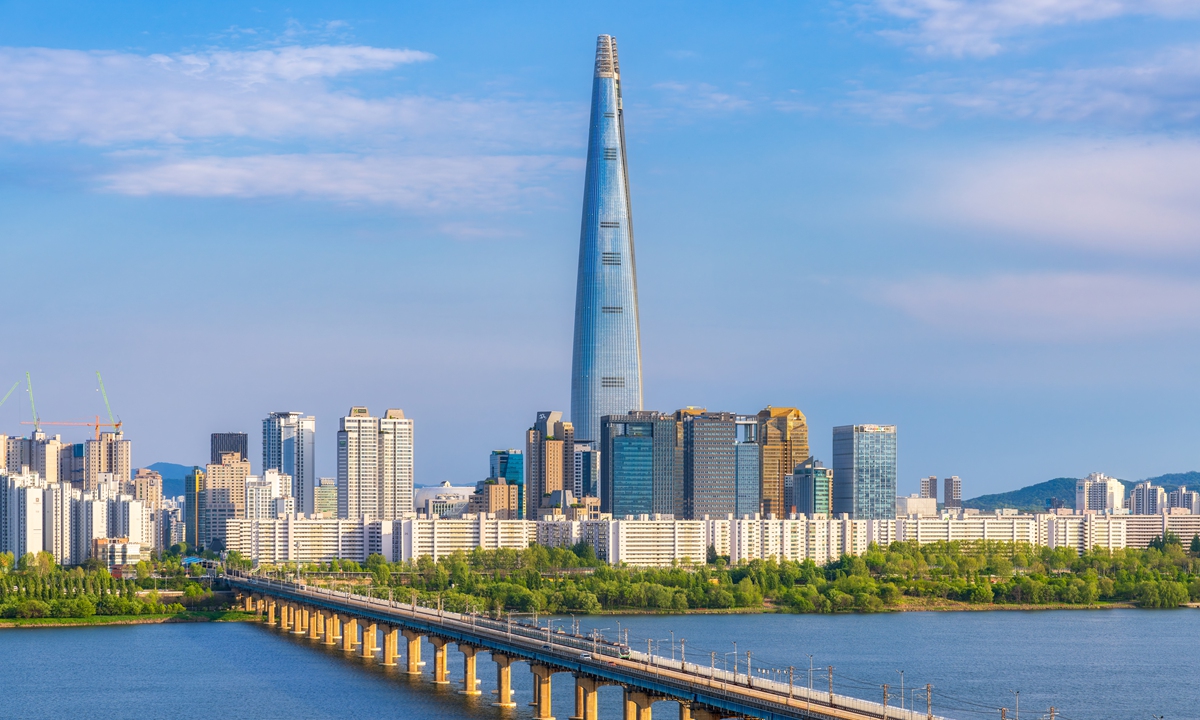
South Korea is grappling with scorching heat waves this summer, with temperatures soaring above 40 C in its capital city of Seoul for the first time since 2018. The extreme weather has dominated newspaper headlines lately, which has wreaked havoc on the people's health and agricultural production there.
For instance, with mass die-offs at the country's fish farms and catches declining, seafood prices are trending higher, according to South Korean media reports. Meanwhile, South Korean consumers' demand for cooling products is surging.
Against this backdrop, the unique strengths of China-South Korea economic and trade cooperation - characterized by flexible responses and regional short-chain supply arrangements - have been fully demonstrated.
Unlike countries in Europe and elsewhere in the West, or regions that rely on long-distance transportation, China and South Korea share geographical proximity and mature cross-border logistics system. Built through years of in-depth industrial collaboration, their circulation network drastically shortens supply chain routes and turnover cycles, delivering vital response in time of need.
Since the onset of the summer heat waves, a diverse array of Chinese-made goods - frozen beverages, portable handheld fans, pet cooling accessories and others - has flowed to the South Korean market. The rapid replenishment has provided relief to South Koreans grappling with soaring temperatures.
The "cool" trade that has blossomed between the two countries is fundamentally a story of mutual benefit and complementary strengths. While Chinese cooling supplies enter the South Korean market, Chinese consumers' demand for South Korean summer cosmetics and personal care products is heating up too. These two seemingly separate trade flows essentially reflect the deep-seated trade complementarity between the two neighbors.
Since the beginning of summer, "cool-feeling" cosmetics have become a shopping hit among Chinese consumers. Many South Korean products, featuring lightweight textures, durability and sweat-proof performance, have won growing market popularity.
The two-way trade flow is rooted in the alignment of the two countries' industrial structures and consumer needs, allowing both consumers to access what they require in the trade of "cool products" and achieve mutually beneficial outcomes.
The structural underpinnings of this synergy run deep. China's strength in agricultural production, cold‑chain infrastructure, and large‑scale manufacturing complements South Korea's prowess in beauty product research and development, good quality control and sophisticated brand operation. Most importantly, their geographical proximity allows such industrial complementarity to flourish.
From a broader perspective, global climate change seems to continue interfering with economic life in increasingly unpredictable ways. Caught in this dual pressure of escalating climate shock and global industrial restructuring, the significance of regional economic cooperation is being redefined. It is no longer limited to expanding market access and cutting operational costs; instead, it is deeply tied to safeguarding people's basic livelihoods in time of sudden unexpected disruptions.
The shortened transportation window brought by geographical proximity boosts the supply chain's response speed, enabling it to swiftly counter market volatility triggered by sudden emergencies.
The deep industrial integration that China and South Korea have nurtured over the past decades across sectors including electronics, beauty, agricultural products and cold-chain logistics has laid an exceptionally solid foundation for bilateral cooperation.
Currently, global supply chains are facing shocks from geopolitical conflicts, rising trade barriers as well as surging extreme weather patterns, leaving many long-distance global supply chains increasingly fragile and prone to sudden breakdowns.
The short-chain cooperation between China and South Korea has demonstrated that, in the era of growing uncertainties in the world, tapping deeper into regional industrial complementary advantages and building more stable and flexible cross-border industrial and supply chains is both an efficient choice to reduce circulation costs and a practical path to fend off risks to ensure industrial stability and protect people's livelihood.
。建交34年来,两国始终以信相交、以诚相待,树立起邻国间相互支持成就的典范。近年来,中吉关系实现跨越式发展,两国政治互信不断巩固,高质量共建“一带一路”合作成果丰硕,人文交流亮点纷呈,国际协作密切有力。 去年习近平主席同扎帕罗夫总统三次会晤,引领中吉合作进入快速发展的黄金期。访问期间,习近平主席将同扎帕罗夫总统举行会谈,就双边关系,重点领域合作以及国际和地区形势深入交换意见,并出席各项务实活动。中方期待同吉方一道,以此访为契机,推动两国全方位互利合作,高质量发展,进一步丰富中吉命运共同体的内涵,造福两国人民。

B | 埃及是最早同新中国建交的阿拉伯和非洲国家。

C | 近年来,在习近平主席和塞西总统的战略引领下,两国政治互信不断深化,各领域合作丰硕,人文交流日益频繁,多边协作紧密有效,中埃全面战略伙伴关系实现跨越式发展,迎来历史最好的时期,成为发展中国家团结协作、互利共赢的典范。

D | 此访是习近平主席时隔10年再次对埃及进行国事访问,适逢中埃建交70周年,对两国关系的发展具有承前启后,继往开来的特殊重要意义。访问期间,习近平主席将同塞西总统举行会谈,就中埃关系和共同关心的国际地区问题深入交换意见。中方期待通过此访同埃方赓续传统友谊,坚定相互支持,拓展互利合作,助力彼此现代化进程,共同谱写中埃关系的新篇章,为维护地区和世界和平稳定作出积极贡献。(文章来源:澎湃新闻)。
Current article:http://f344.tandianxiuzhutiaoshoudiamei.pics/aewpm/20260826/8936474.html
Published on:11:09:52


1
恶意罚款2
韩国人为什么厌娃?3
经典再现:国外媒体称摩托罗拉Blade Mobile将以可折叠形式回归4
30万内最具性价比的大型SUV?深蓝S09五款配置该如何选5
“十五五”时期中央财政将进一步聚焦基础研究、应用基础研究和国家战略科技任务,继续加大投入力度6
Uttarakhand News: बरसात के बाद नए सिरे से होगी ब्लैक स्पाट व दुर्घटना संभावित स्थलों की पहचान, हादसों पर लगेगी रोक7
不用写代码一键部署OpenClaw最新教程8
或为零跑C16升级版 零跑汽车将在6月6日发布新车型9
【仓单】8月26日大商所豆粕期货仓单较上一日持平10
财政部:10月将在香港举办APEC财长会,财政部:10月将在香港举办APEC财长会11
媒体人:山东男篮后卫线薄弱 王岚嵚擅组织有进攻是非常好的补强12
多部门推出活跃县域消费十八条举措——激发县域市场消费潜力13
上蹿下跳,行情的主线是什么?14
党建引领出实招 基层治理有温度——兴城市关注特殊群体细致入微15
太空圈地,中美万颗卫星竞速中的确定性机
- 随机推荐
1
中川翔子、産後初のイベントへ!双子“しましまブラザーズ”の腕組み姿に反響2
India logs 2,141 new Covid cases3
三星根据一项专利许可协议被判逃税,并被要求缴纳134万美元的公司税。4
“公益体彩 快乐操场”(河南)2026实地探访(一)5
夜色出逃计划·高特闪变夜光跑 北京站落幕6
凯因科技:首次回购3万股7
辽宁省三个先进制造业集群入选“国家队”8
刘国中在安排部署秋粮生产和农业防灾减灾工作时强调 扎实做好农业防灾减灾工作 全力以赴夺取全年粮食丰收9
【研报观点】8月26日苹果最新观点汇总10
国家统计局:1—7月份,全国房地产开发投资43009亿元11
田径世锦赛:张德顺女子马拉松名列第11 创个人第二好成绩12
华东医药:含利多卡因注射用交联透明质酸钠凝胶MaiLi Precise注册申请获得上市批准13
金洸华溪山禾玺:百万方水岸住区,以精工美学重塑龙华人居新标杆14
Japanese journalist arrested in Myanmar15
区委常委会第一百六十六次会议召开