
{主关键词}
请回答1997
暴雪Ⅳ级(一般)、寒潮Ⅲ级(较重)预警_我的网站

一 |
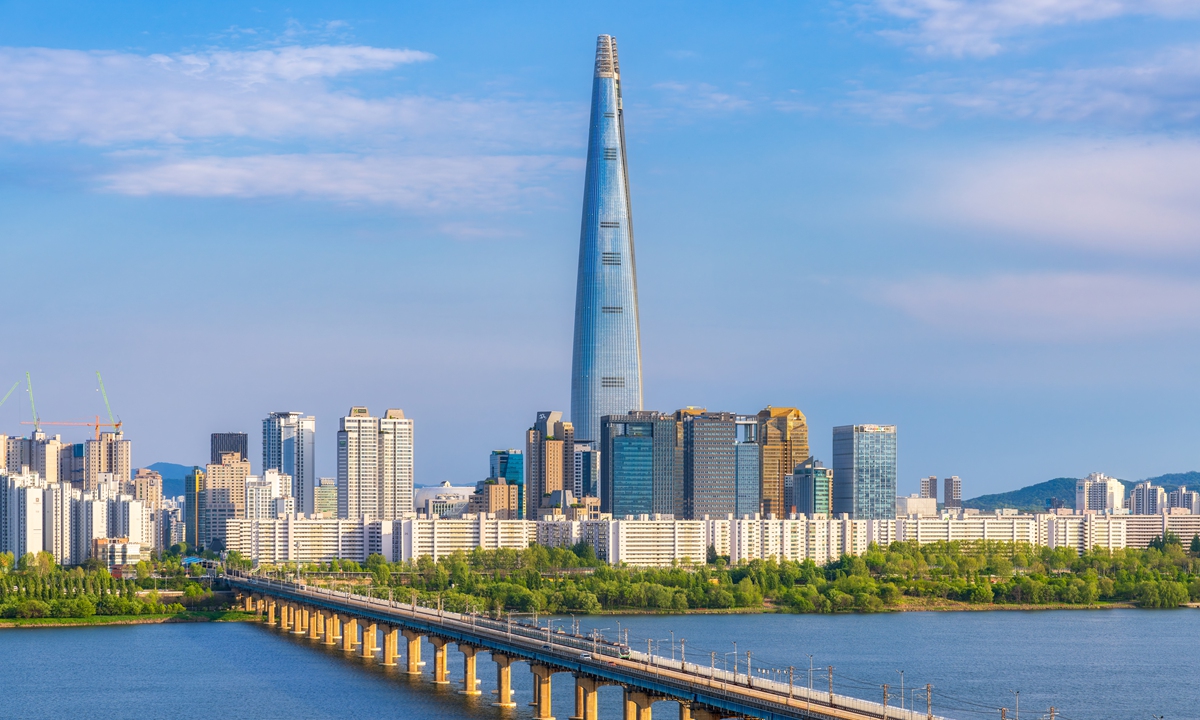
South Korea is grappling with scorching heat waves this summer, with temperatures soaring above 40 C in its capital city of Seoul for the first time since 2018. The extreme weather has dominated newspaper headlines lately, which has wreaked havoc on the people's health and agricultural production there.
For instance, with mass die-offs at the country's fish farms and catches declining, seafood prices are trending higher, according to South Korean media reports. Meanwhile, South Korean consumers' demand for cooling products is surging.
Against this backdrop, the unique strengths of China-South Korea economic and trade cooperation - characterized by flexible responses and regional short-chain supply arrangements - have been fully demonstrated.
Unlike countries in Europe and elsewhere in the West, or regions that rely on long-distance transportation, China and South Korea share geographical proximity and mature cross-border logistics system. Built through years of in-depth industrial collaboration, their circulation network drastically shortens supply chain routes and turnover cycles, delivering vital response in time of need.
Since the onset of the summer heat waves, a diverse array of Chinese-made goods - frozen beverages, portable handheld fans, pet cooling accessories and others - has flowed to the South Korean market. The rapid replenishment has provided relief to South Koreans grappling with soaring temperatures.
The "cool" trade that has blossomed between the two countries is fundamentally a story of mutual benefit and complementary strengths. While Chinese cooling supplies enter the South Korean market, Chinese consumers' demand for South Korean summer cosmetics and personal care products is heating up too. These two seemingly separate trade flows essentially reflect the deep-seated trade complementarity between the two neighbors.
Since the beginning of summer, "cool-feeling" cosmetics have become a shopping hit among Chinese consumers. Many South Korean products, featuring lightweight textures, durability and sweat-proof performance, have won growing market popularity.
The two-way trade flow is rooted in the alignment of the two countries' industrial structures and consumer needs, allowing both consumers to access what they require in the trade of "cool products" and achieve mutually beneficial outcomes.
The structural underpinnings of this synergy run deep. China's strength in agricultural production, cold‑chain infrastructure, and large‑scale manufacturing complements South Korea's prowess in beauty product research and development, good quality control and sophisticated brand operation. Most importantly, their geographical proximity allows such industrial complementarity to flourish.
From a broader perspective, global climate change seems to continue interfering with economic life in increasingly unpredictable ways. Caught in this dual pressure of escalating climate shock and global industrial restructuring, the significance of regional economic cooperation is being redefined. It is no longer limited to expanding market access and cutting operational costs; instead, it is deeply tied to safeguarding people's basic livelihoods in time of sudden unexpected disruptions.
The shortened transportation window brought by geographical proximity boosts the supply chain's response speed, enabling it to swiftly counter market volatility triggered by sudden emergencies.
The deep industrial integration that China and South Korea have nurtured over the past decades across sectors including electronics, beauty, agricultural products and cold-chain logistics has laid an exceptionally solid foundation for bilateral cooperation.
Currently, global supply chains are facing shocks from geopolitical conflicts, rising trade barriers as well as surging extreme weather patterns, leaving many long-distance global supply chains increasingly fragile and prone to sudden breakdowns.
The short-chain cooperation between China and South Korea has demonstrated that, in the era of growing uncertainties in the world, tapping deeper into regional industrial complementary advantages and building more stable and flexible cross-border industrial and supply chains is both an efficient choice to reduce circulation costs and a practical path to fend off risks to ensure industrial stability and protect people's livelihood.
。 抚顺市气象局11月25日8时40分发布暴雪Ⅳ级(一般)、寒潮Ⅲ级(较重)预警:受东北冷涡和地面气旋共同影响,预计25日17时至26日14时,我市将出现小雨转雨夹雪转中雪到大雪、局部暴雪天气,雨雪总量15~25毫米,其中市区、抚顺县和清原县降雪量3~7毫米,积雪深度2~4厘米;新宾县降雪量7~14毫米,积雪深度5~10厘米。25日至26日,气温将下降14℃~16℃,27日早晨气温将达到最低,最低气温为-15℃~-13℃、东部山区低至-19℃~-17℃,偏西风4~5级,阵风7~8级。需防范雨雪、寒潮、大风天气对人体健康、交通出行、能源供应、电力设施、大跨度建筑物等的不利影响。 防御指南: 1.政府及有关部门做好防雪、防冻害和防寒潮准备工作; 2.交通、铁路、电力、通信等部门应当进行道路、铁路、线路巡查维护,做好道路清扫和积雪融化工作; 3.行人注意防寒防滑,驾驶人员小心驾驶,车辆应当采取防滑措施; 4.农牧区和种养殖业要储备饲料,做好防雪灾和防冻害准备; 5.加固棚架等易被雪压的临时搭建物,做好防风工作。 责任编辑:刘春阳。
Current article:http://f344.tandianxiuzhutiaoshoudiamei.pics/news/20260826_245724.html
Published on:06:04:10
- 72765【假期提醒】喜迎元旦 辞旧迎新–郑州市郑东新区实验幼儿园元旦假期温馨提示
- 49461达利欧复制了“AI达利欧”
- 6699广州港:上半年净利润同比增长0.76% 拟10派0.15元
- 2806【“翼”团队】暖心帮扶促交流、携手共育同前行——航空一幼邀请西安市第二保育院“名校+”教育联合体入园开展交流指导活动
- 910695南票区气象局:政企合作 开启“智慧防灾”新篇章
- 3116671韩东勋被迫辞去党首,李在明“议幕政治”更进一步,韩国政局再变
- 976想在长岛吃当日现捕海产 长岛民宿怎么选
- 567081微软赢得了五角大楼17.6亿美元的合同
- 7559Megalodon Shark Could Eat Great White in a Few Bites, Research Claims
- 2504陆军第82集团军某特战旅组织数百名特战精英跨昼夜比武考核
- 9846232两难抉择!库明加两大下家均许诺首发,薪资差距悬殊
- 8304华东医药:含利多卡因注射用交联透明质酸钠凝胶MaiLi Precise注册申请获得上市批准
- 1950比亚迪海洋网MPV预计年底上市 总经理称市场独一无二
- 9429投诉京东明日达,实际为诱导客户下单
- 6501木铎双星发射成功
- 957172B站海外大撒币!千次播放收益接近1美元
- 94710最强复仇者联盟!76人全员憋着一口气,新赛季每人心中都有执念
- 5062745“首来族”过半 台青山西古建中触摸中华文明根脉
- 723641拼多多直通车优化技巧
- 6653931消息称捷豹路虎放慢卫士车型换代节奏,纯电版跳票至本世纪 30 年代
- 8840半夜暴雨送单突发爆胎美团竟怪我没保养好电动车
- 2365追光|巴黎奥运会倒计时两周年“玩点大的”
我的网站热门国内
- Copyright @ 2016-2017 我的网站 版权所有